History of Spas: The Long Journey of Body Care from Ancient Times to Modern Wellness
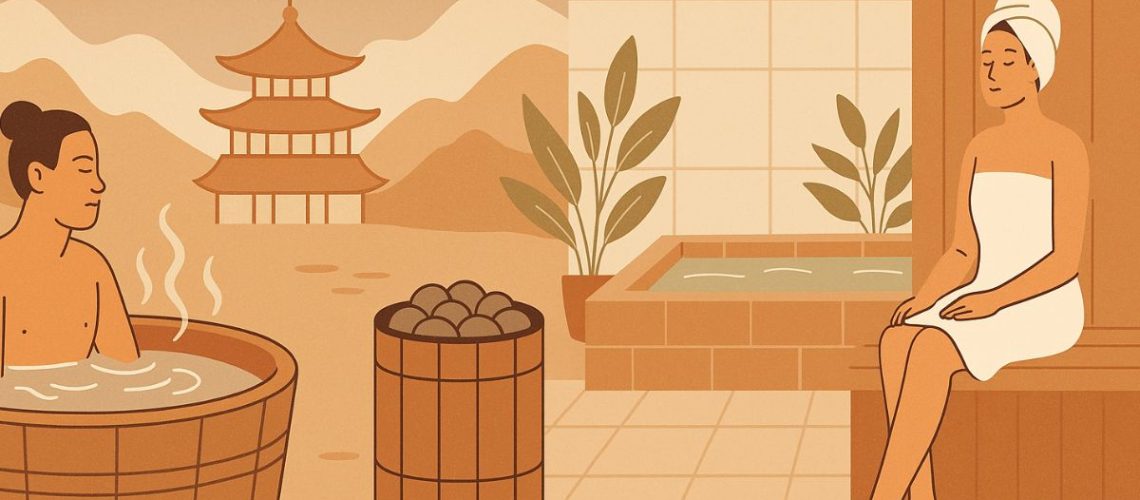
Spas are now known as symbols of relaxation and self-care. Many people visit spas to relieve stress, reduce muscle aches, improve sleep quality, and care for their skin to make it healthier and fresher. However, behind the comfortable spa experience—warm rooms, soothing aromatherapy, gentle massages, and a quiet atmosphere—lies a long history involving culture, social customs, and even healing practices dating back thousands of years.
Spas are not a new concept that emerged due to modern trends. The practice of body care through warm water, steam, massage, and natural herbs has been known to many ancient civilizations. Over time, spas evolved from mere bathing places into wellness centers, health recovery spots, and eventually became part of the “wellness” lifestyle that combines physical and mental health.
This article will take you through how spas emerged, developed across various parts of the world, and transformed into the modern spas we know today.
The Origin of the Word “Spa”: From a Mineral Water Town in Europe
One of the most popular theories says that the word “spa” comes from the name of a small town in Belgium called Spa. This town has been known for a long time for its natural mineral water sources. In the past, mineral water was believed to have health benefits, so many people came to “seek treatment,” restore their stamina, and relieve various physical ailments.
This is where the concept of spa began to be identified with water as a source of healing. The tradition of visiting mineral baths then spread and developed into health and relaxation facilities.
Spas in Ancient Times: The Beginnings of Body Care as a Health Ritual
Before spas were known as an “industry,” body care in ancient times was more closely related to rituals of cleanliness, energy recovery, and health care. Warm water was used to soothe muscles, steam was used to open pores, and massage was used to help the body relax after physical activity.
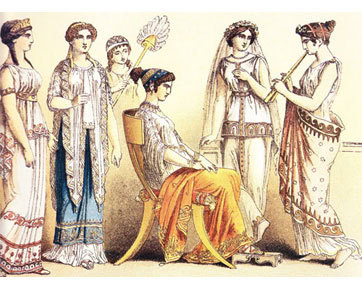
1. Ancient Greece: Bathing as Part of Body Balance
The ancient Greeks highly valued health and fitness. They believed that a healthy body supported a healthy mind. At that time, bathing was not only for cleaning oneself, but also for maintaining stamina and speeding up the body’s recovery after physical exercise.
They used public baths, warm water, and simple treatment techniques to reduce fatigue. In Greek culture, physical fitness was considered an important part of life, especially since sports activities such as athletic competitions were already very developed.
2. Ancient Rome: Public Baths as Centers of Social Life and Health
While the Greeks viewed bathing as part of personal health, the Romans developed the concept of spas into something much bigger. They built thermae, which were public baths with facilities that were very complete for that era.
Thermae were not just places to bathe—they were “centers of community life.” People came to :
- clean themselves
- relax their bodies
- undergo heat therapy
The history of spas shows that body treatments and relaxation have been part of human life for thousands of years. From Greek and Roman baths, Middle Eastern hammam traditions, to Japanese onsen, spas have evolved through different cultures but share the same goals: maintaining health, restoring energy, and creating tranquility.
Today, spas are not only a symbol of luxury, but also an integral part of a modern healthy lifestyle that prioritizes the balance of body and mind.